[vc_row][vc_column][vc_column_text css_animation=”none”] [/vc_column_text]
Mental Model: Information Asymmetry For the past month or two, there has been a running joke at the office that I’ve been giving Aaron a hard time about, providing me countless hours of entertainment. It is a good illustration of a mental model from economics called information asymmetry and I thought I’d take five minutes…
Americans Continue to Deleverage as Measured by Average Household Debt as a Percentage of After-Tax Income Paul Wiseman wrote in a recent Associated Press article: “Soaring housing prices in the mid-2000s made millions of Americans feel wealthier than they were. They borrowed against the inflated equity in their homes or traded up to bigger, more…
There is considerable academic evidence that one of the major drivers of income inequality in the United States is the difference in family formation, and assortative mating habits, between the upper and lower classes. Stated plainly, the upper class is more likely to get married, stay married, and have children within that marriage, while the lower class is more likely to have children out of wedlock or divorce. The results to net worth and income can be enormous over a lifetime.
[mainbodyad]It always struck me as particularly stupid when people complained about the cost of gasoline, even when I was a teenager with very little money just learning about how investing worked. It seemed perfectly obvious to me that if an increase of $1 per gallon cut into your standard of living, you were living so…
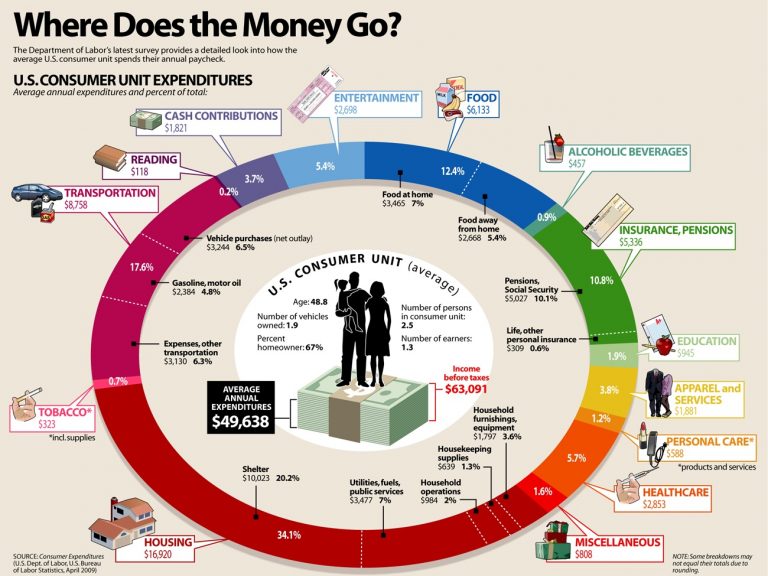
Have you ever wondered how the average American household spends its money? How much goes into food versus shelter or how much money is spent on transportation versus clothing? This great chart helps illustrate the most recent government data on household expenditures by category.
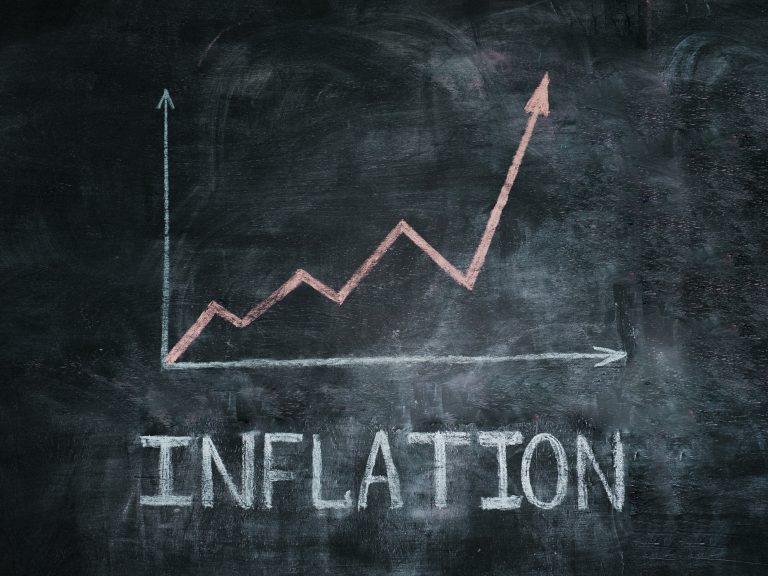
There was a firestorm of controversy this morning following remarks by New York Federal Reserve Chairman William Dudley. In an attempt to explain how the Federal Reserve calculates inflation, the Fed President commented to a group of working class people that you can’t just look at the price of food – the price of everything has to be factored in to understand what is happening to the purchasing power of the dollar.
Tell me what you think of the following statement: “American manufacturing has been destroyed over the past 20 years? Going back further, it’s nothing like it was in 1960. Everything is made in China now.” [mainbodyad]If you agreed with the statement, congratulations! You failed. Miserably. Start thinking for yourself and stop watching the news commentators…
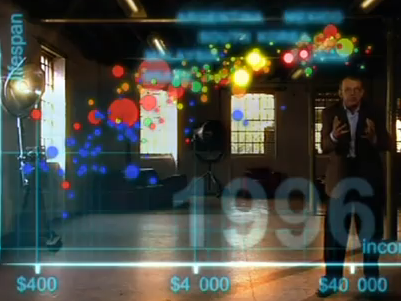
For those of you who prefer visual data, watch this BBC video, which is up to 3,757,003 views after going viral on the net a few days ago and has been lighting up the economic blogs. In 4:48 seconds, you will see 200 years of human economic and health records, organized by country. I…
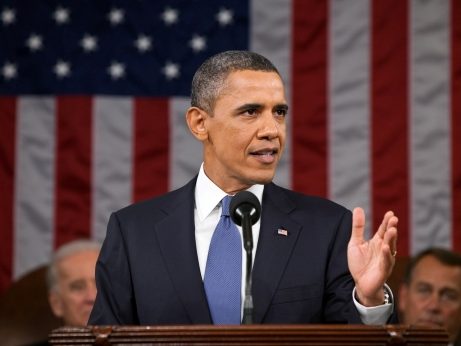
The single most important line in the President’s State of the Union speech to Congress last night hasn’t gotten a lot of attention. Here it is: Over the next ten years, nearly half of all new jobs will require education that goes beyond a high school degree. And yet, as many as a quarter of…
A $1.00 bill in 1971 has the purchasing power of only 18¢ today. A £1 bill in Great Britain has the purchasing power of only £0.09. That is, if you put money in a coffee can in 1971 and buried it in the back yard, you’ve lost 82% of your purchasing power in the United…
[vc_empty_space][vc_column_text css_animation=”none”]
[/vc_column_text][/vc_column][/vc_row]