

Atlas Shrugged by Ayn Rand Sort of Took Over My Life Today …
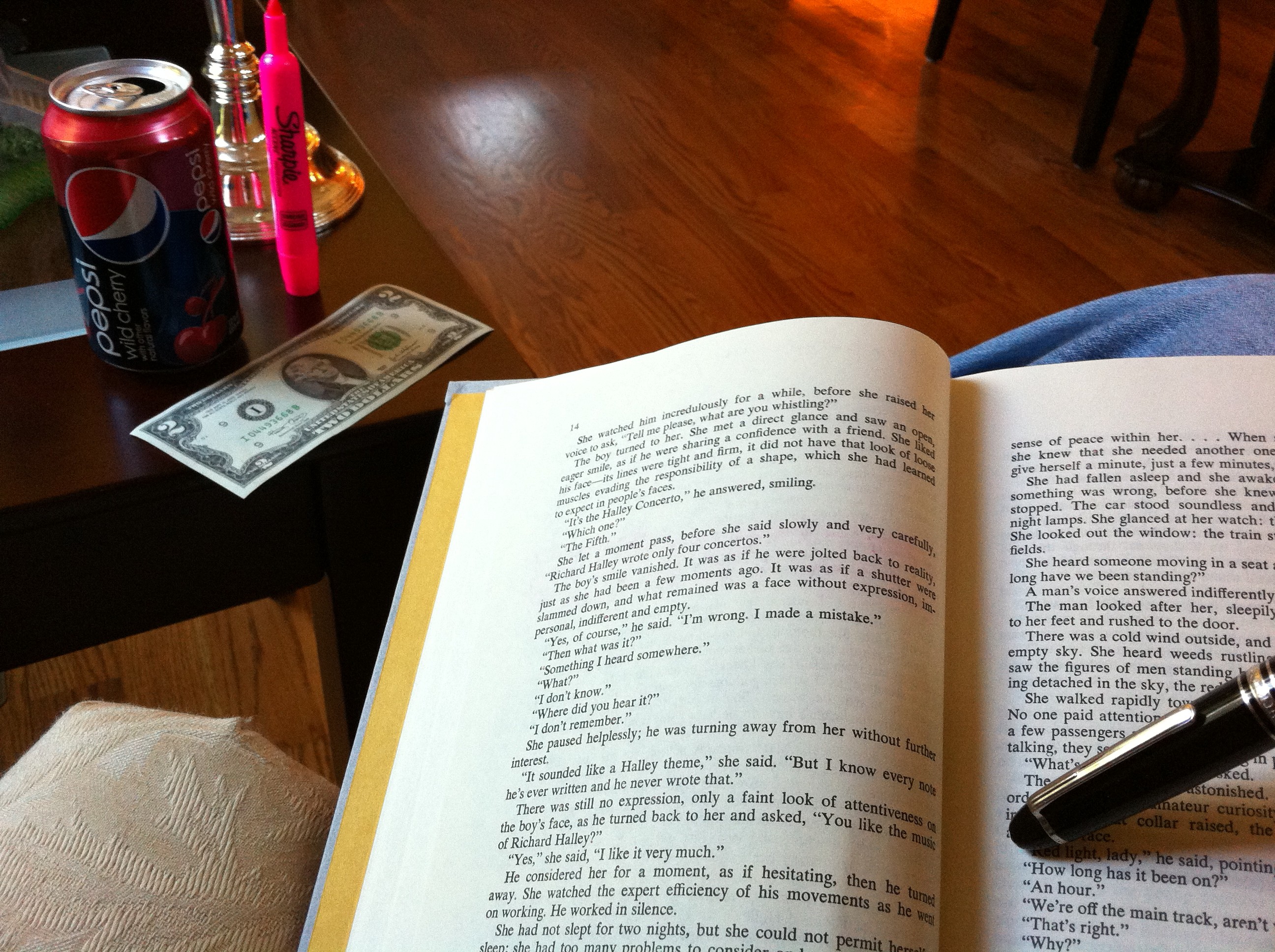
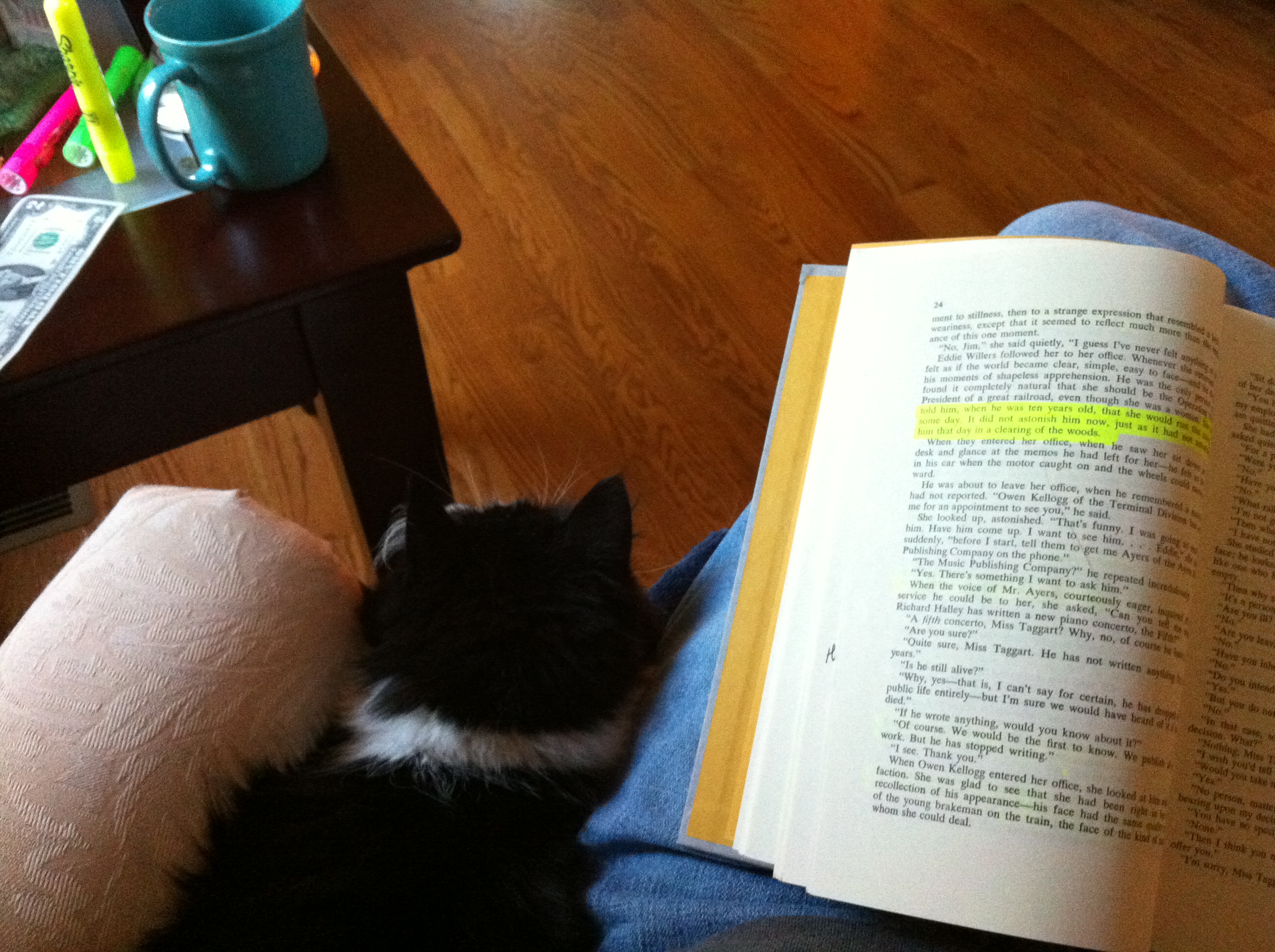
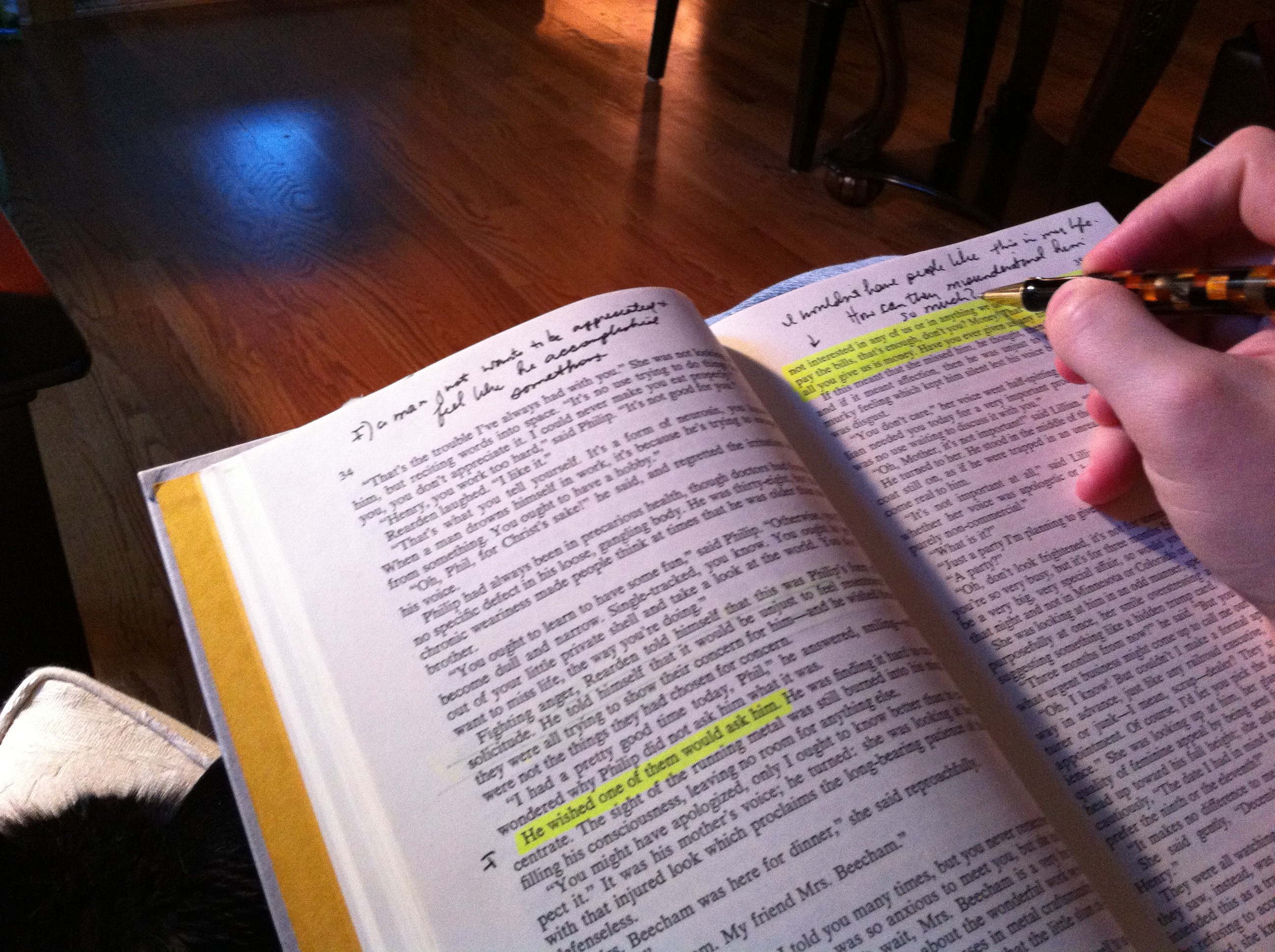
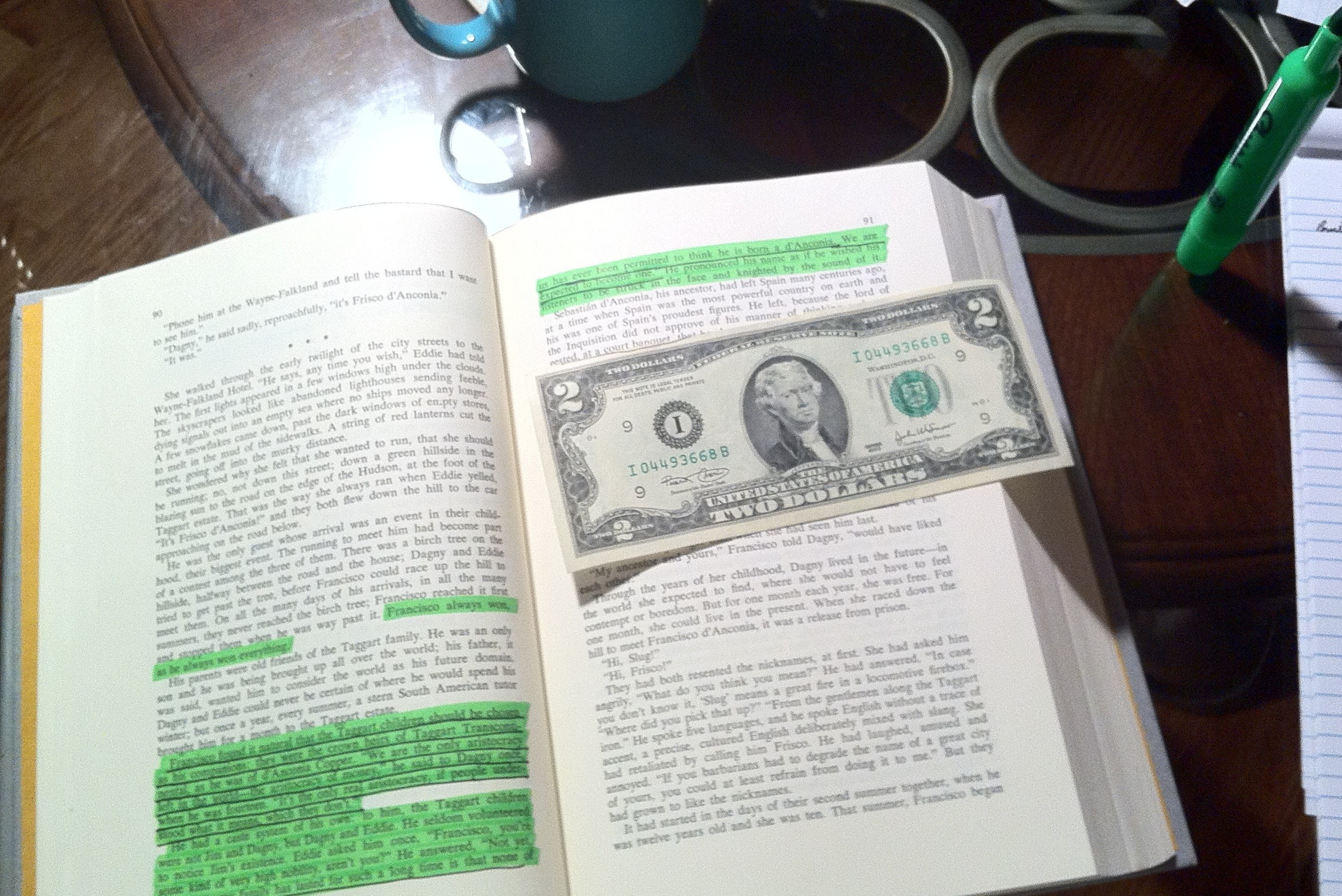
Given the historical importance of the book, and my decision to finally read it, my brief introduction to a few pages of Atlas Shrugged by Ayn Rand turned into an all day affair. I have some very significant reservations about the author’s stated philosophical belief system, Objectivism, but that deserves its own future essay. Suffice it to say, though she gets 70% of the equation correct by supporting free market decision making and individual liberty, I think her model of human behavior is incomplete and therefore not entirely rational and realistic when carried to its logical extreme.
It does not adequately address the systematic risk of having a significant minority of a population, whether for genetic or temperamental reasons, who cannot support themselves, out of work with no source of income. Programs, such as Social Security, could very well be thought of as “French Revolution Insurance”. There is a reason those schemes were conceived and put in place by the corporate men at firms like General Electric.
It does not account for the fact that equality of opportunity is vital and that the best do not always rise to the top if one group of children is living in poverty in the slums, being beaten by their meth-addicted step-parents, and unable to attend school. Certain societal reset buttons are needed, such as an inheritance tax designed to prevent the accumulation of capital in the hands of those who did not earn it by contributing to society, as well as certain ladders are necessary, to make movement between social classes possible, with good examples in the past being the GI Bill for returning war veterans and Pell Grants for college students.
Objectivism also ignores the fact that certain expenditures are not expenditures at all; they are societal investments. I benefit enormously from a well-educated population. There is a reason that research shows the rich are primarily concerned with the quality of schools in their neighborhood when selecting a home, regardless of the property tax burden. I don’t want to live in a world of Dickens-esque street urchins who can’t read. Offering free education for all, funded through certain compulsory taxes, is good. The benefits far outweigh the cost. The free market system won’t lead to such outcomes all the time.
While Rand seems to understand that capitalism is unquestionably the best system thus far developed based on centuries of real-world results, she seems blissfully ignorant of the basic truth that it requires bumpers to keep it from veering off too far into the extreme. Her form of capitalism cannot work because it will always devolve into a genetic aristocracy as capital pools in the hands of the previous generation of “producers”. Capital buys political power. Political power changes the laws. Game over. System ended. No new opportunities for the poor. It’s historical Europe all over again.
I’m having to force myself to finish the rest of the work I had to do before tomorrow because all I want to do is go keep reading all night …
Reader Comments (3)
Comments are presented chronologically, with replies indented beneath the comments to which they respond.
Frat Man
October 5, 2010
Joshua, please tell me you have an affinity for $2 bills. I spent most of my freshman year in college paying for everything using two's, and I've made friends at banks, local eateries, and a few other stores by people who I've amused (granted, a few on the way thought I was weird). I even gave a "lucky" $2 bill to a dozen or so of my closest friends, and they still tell me they keep it in their wallet.
Some people dream of owning a mansion, some of a yacht, I dream of controlling the supply of $2 bills someday....
Joshua Kennon
October 5, 2010
Replying to Frat Man
Despite my rule of never having ANYTHING of value on me, or in my home or in my office (I'm notorious for never having more than $5 in my wallet and honest-to-goodness have no idea what my own PIN numbers or anything are because everything is electronic - the bills get sent to the bank and if they are on an approved list, get paid without me ever seeing a penny of it), the ONLY thing I have around is a packet of $2 bills I special ordered at a local bank, fresh from the Bureau of Engraving and Printing via the Federal Reserve so you could still smell the ink.
I use them to mark where I am in certain documents and books, or just monitor my position on a spreadsheet as I go down the rows. When one gets too worn, I'll spend it on a Coke or something and pull a fresh one off the stack. Somewhat ironic considering they are cheaper than most real bookmarks.
The original purpose of ordering them (besides collecting as a kid) was I decided that the retail store should make change with $2 bills since inflation had made them the same value as $1 bills in 1984 / 1985. It struck me as ... an amusing thing to do to give people change in that denomination. After toying with the idea, it got put aside because of being too busy with other things but it's still on my mind. I'm probably going to have them do it.
I think my bookmark supply is down to maybe $40 or so worth of them on my desk ...
Nicholas Archer
September 10, 2017
Replying to Joshua Kennon
That is hilarious what you said above. At some point in my life I realized how nice it is to have multi-purpose items. I started using dollar bills for bookmarks long ago because, just as you said above, a dollar is cheaper than a bookmark, and if you ever need some cash, you can just rummage through your book collection and find some dollar bills. The iPhone (or android phone) is the ultimate multi-purpose item. It has replaced the watch, phone, penlight, map, trips to the bank, and sound recorder. It all boils down to maximizing utility and having fewer objects to keep track of. Essential to organization.