

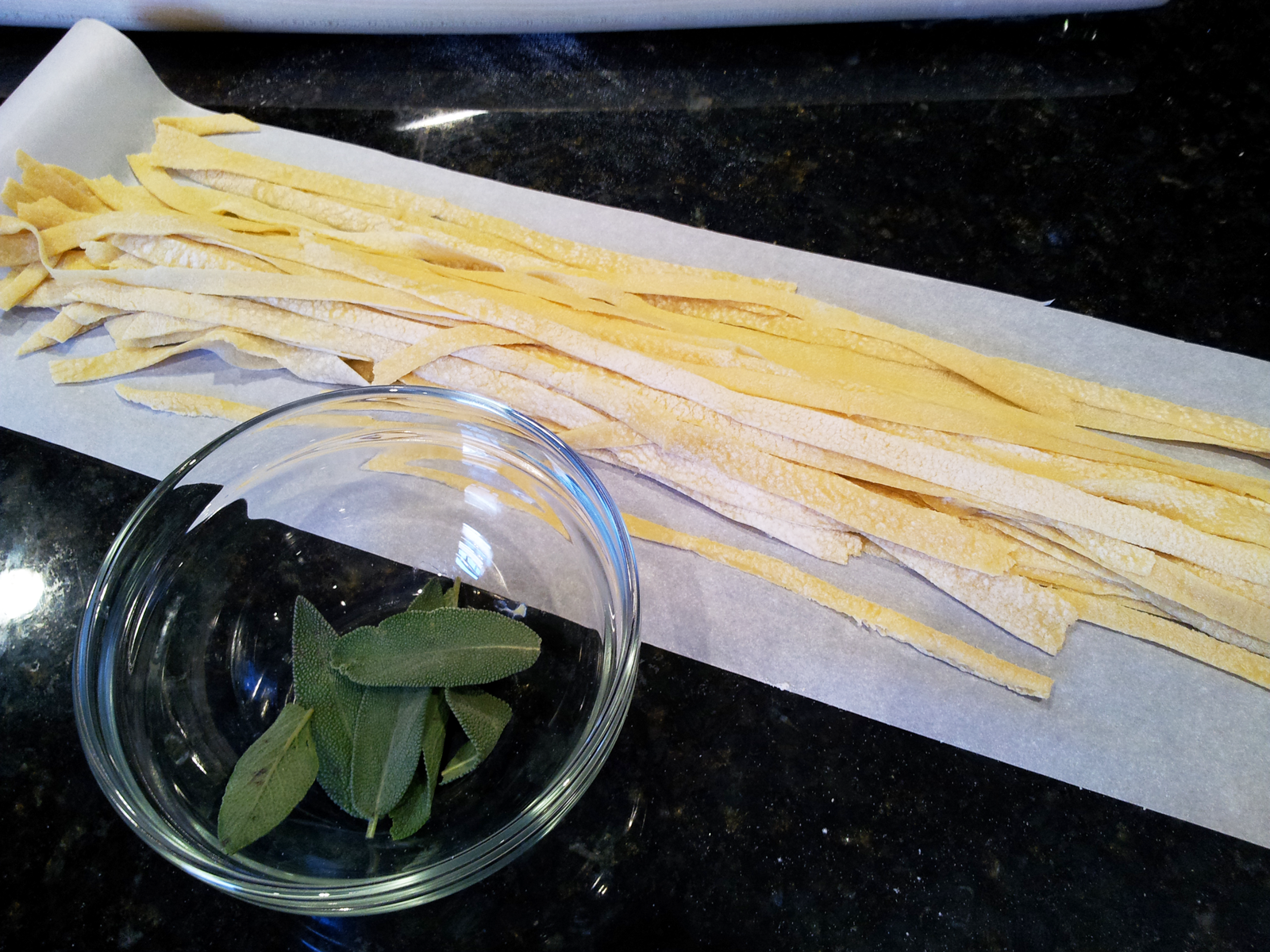
If you want a restaurant quality pasta dish with a wonderful flavor and a per serving cost of only $0.88, this butter and sage sauce should be in your family’s recipe box. After the pictures, I’ll share the ingredients, process, nutrition, and cost breakdown.
Why am I making it in the middle of the day? I didn’t have any pressing deadlines on my desk, so as the week of Italian recipes continues, I delved right back into the greatest Italian cookbook ever published. This seemed especially appropriate as tribute to the legendary author, who passed away only two days ago. The last recipes we made out of it included the penne covered in tomato sauce with onion and butter and the blacked chicken with sun-dried tomatoes, Romano cheese, cream, and butter sauce tossed into fettuccine. For lunch, I wanted to try another of Marcella Hazan’s dishes, so I settled on making her butter and sage sauce.
I also thought it would be good practice to work on my handmade pasta skills – meaning no pasta machine or manual help of any kind, just a roller and raw ingredients, as it was for centuries – so I decided to forego the boxed pastas, which were the entire inspiration for this thing in the first place given the pasta war going on at the moment.
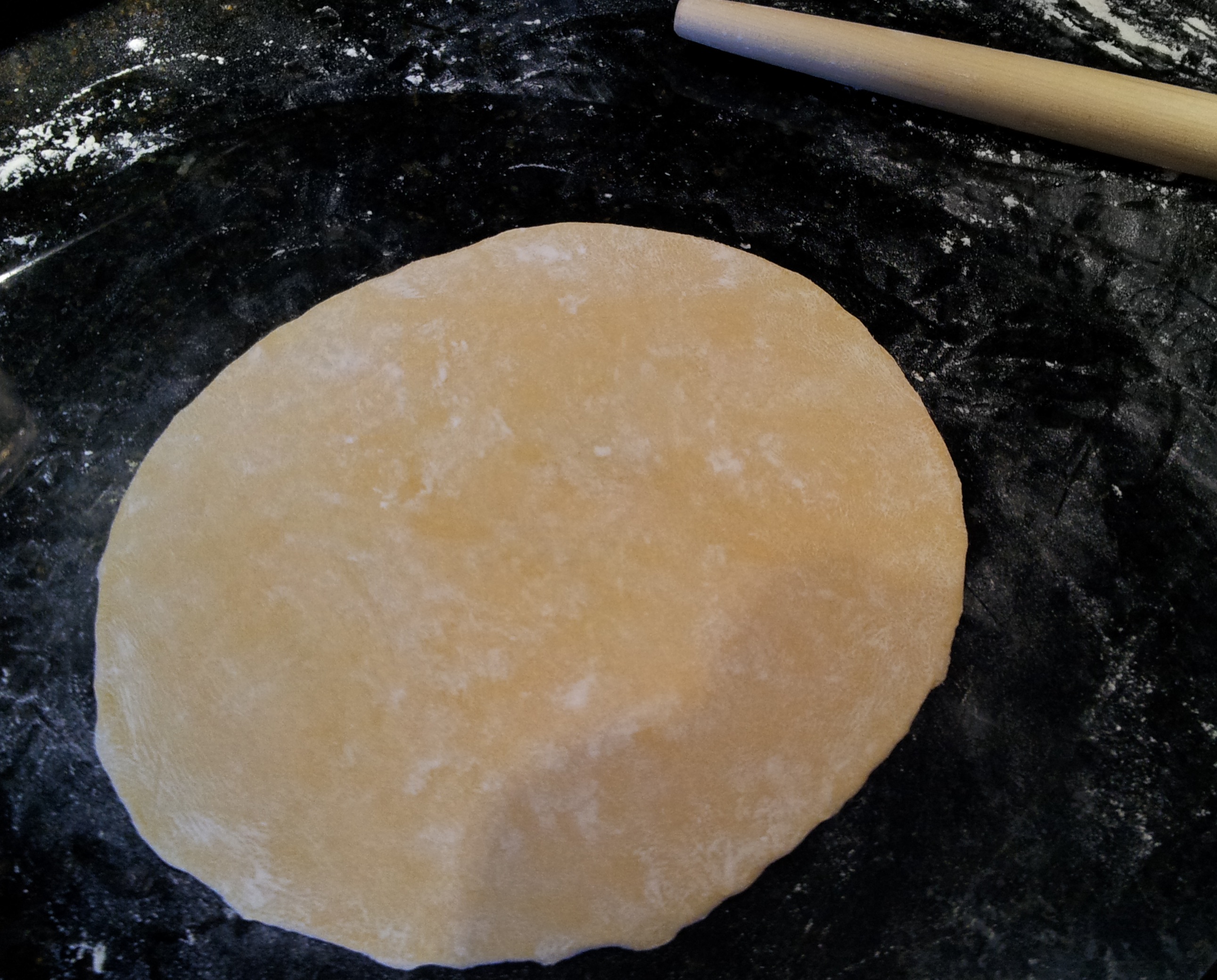
Rolling out my fresh pasta dough before stretching it …
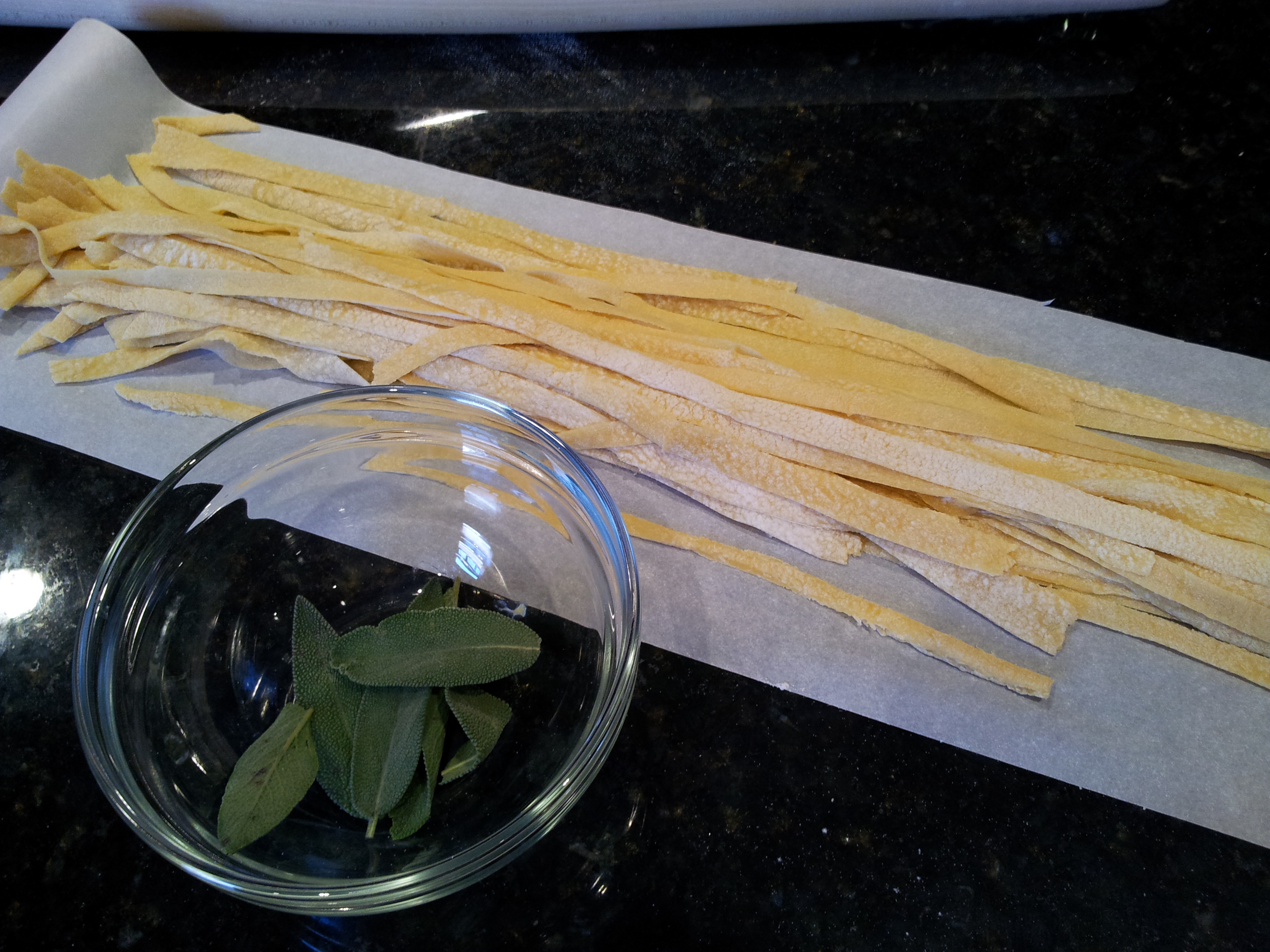
The fresh sage, which will be infused into the butter when it is golden and over medium heat, and the ready-to-be-cooked pasta … I do like that fresh pasta takes only 6o to 180 seconds to cook in boiling salt water, sometimes less.
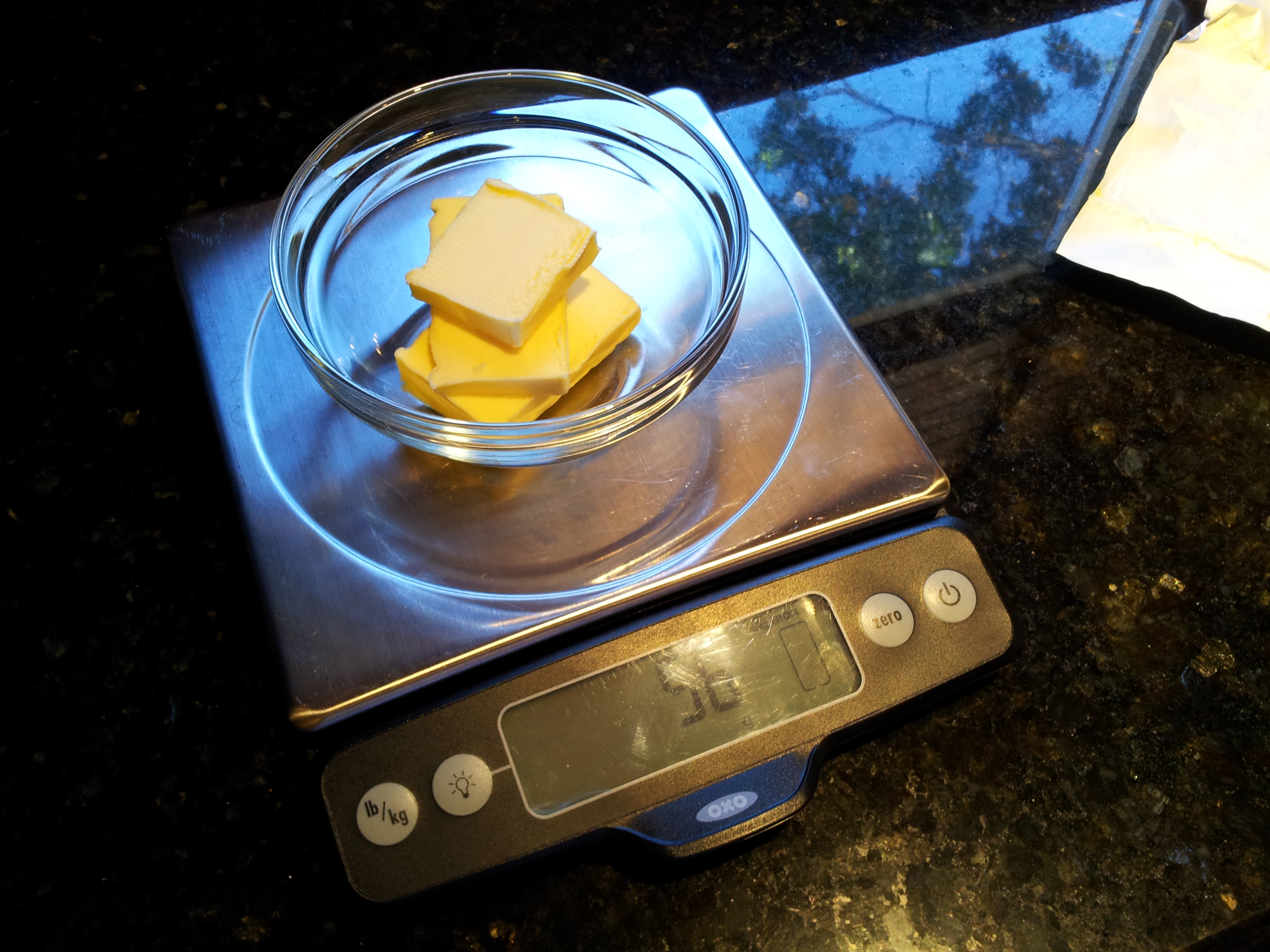
Measuring the butter for the butter and sage sauce that will be tossed with the pasta …
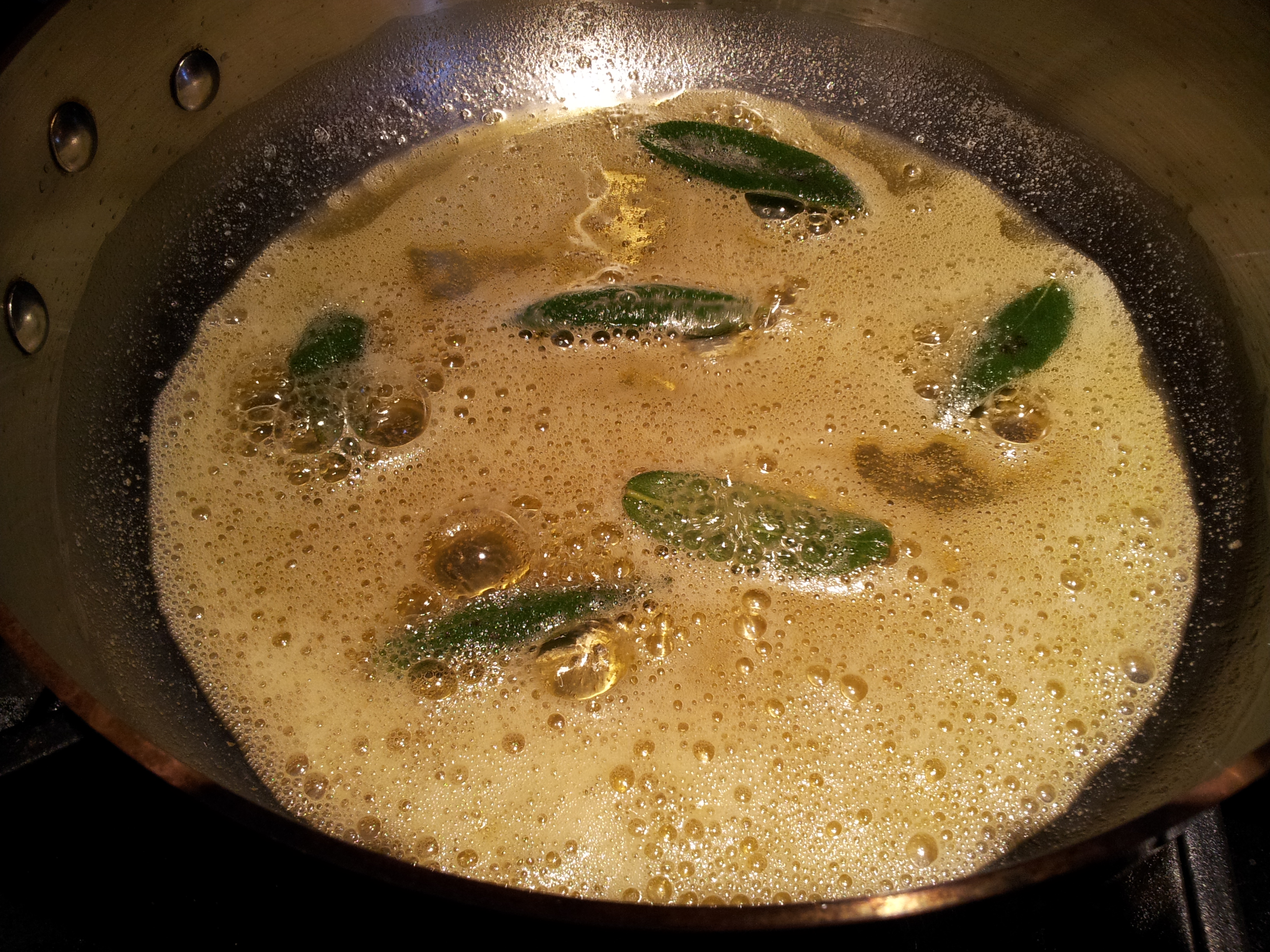
Infusing sage into the golden butter takes only a few seconds, but the fragrance that fills the kitchen is beyond words.
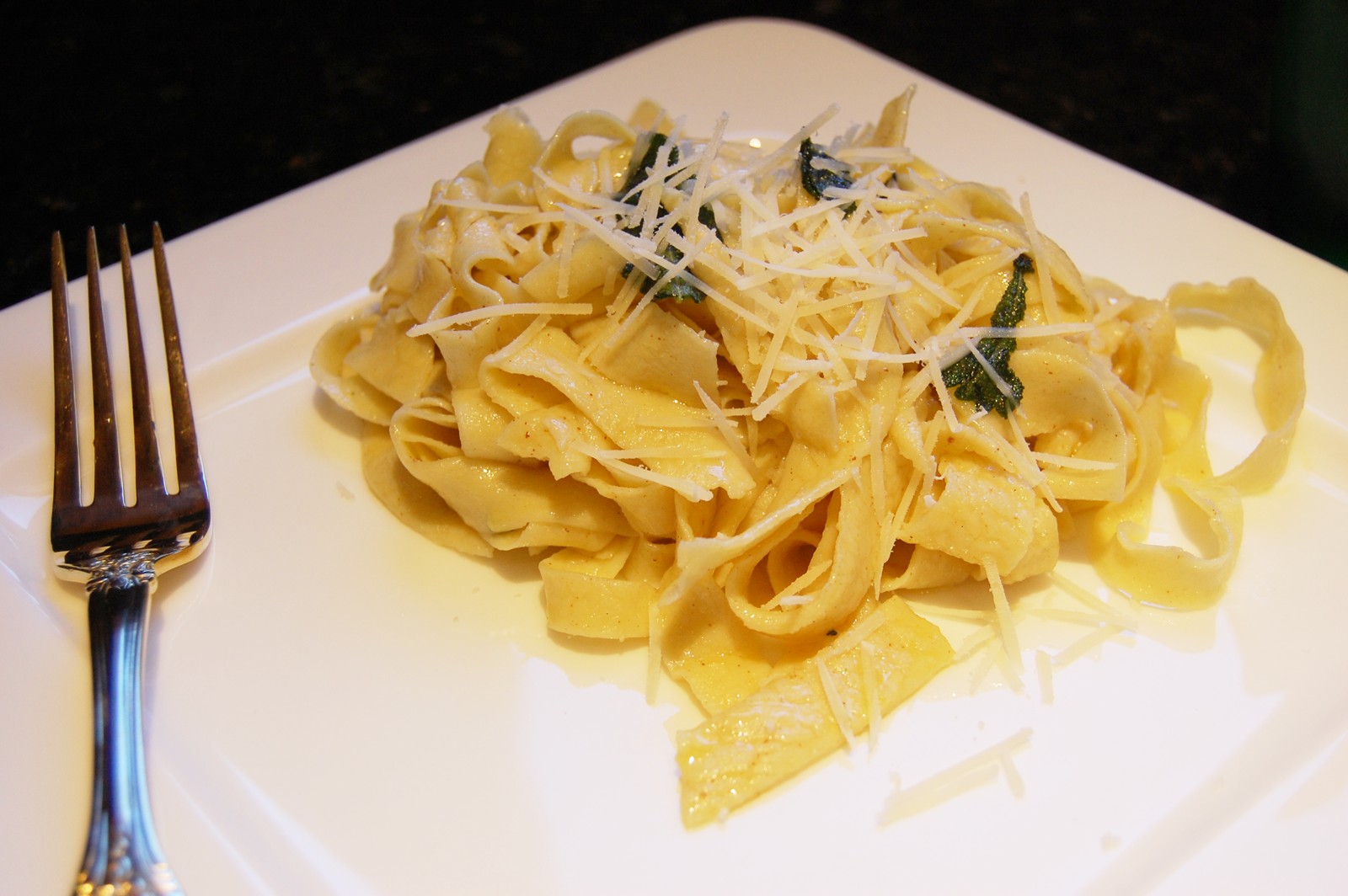
The finished butter and sage sauce over the fresh noodles wasn’t too heavy, and had a very nice texture and flavor. I can see someone craving it.
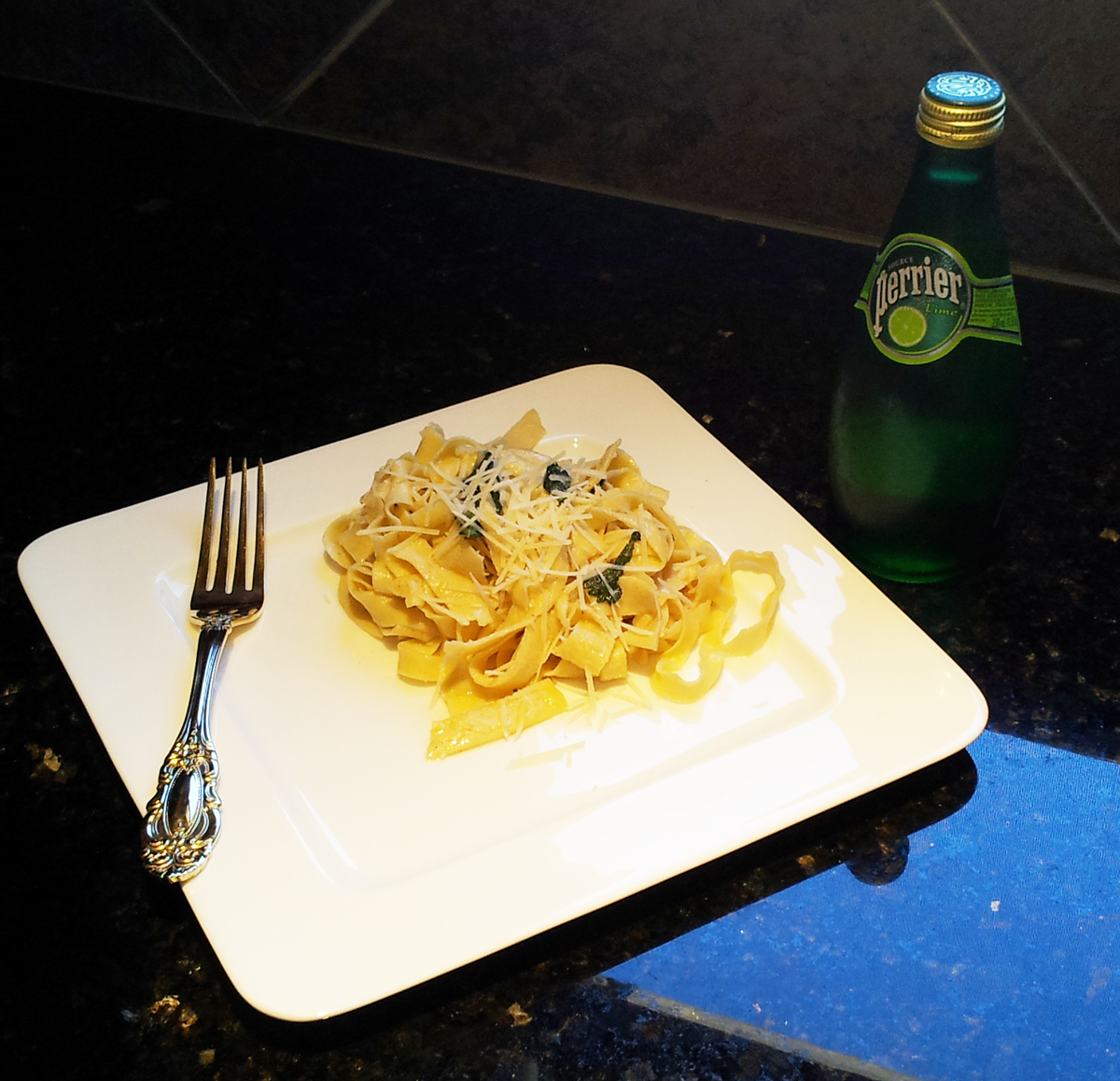
About to eat the butter and sage sauce over pasta for lunch … it seems so simple, but the fragrance is a knockout and the taste and texture are wonderful. It’s funny the magic that happens when you take three simple things – heat, butter, and sage – and combine them at the right time, in the right order. The end product is entirely different. I still can’t get over that wonderful scent. I’d want to cook it again just to re-experience the infusion process.
I made a slight portion modification to Hazan’s recipe so that it is enough to cook for exactly two people. It will therefore scale accordingly, or you can divide in half and cook for an individual. I found the numbers to be much easier that way. If you wanted to add more sage flavor, you can throw in an extra two (2) whole sage leaves during the process.
Handmade Pasta (2 Servings = 0.75 pounds)
1 cup of all purpose flour
2 whole eggs
Ingredients of Sage and Butter Sauce (2 Servings)
4 tablespoons of the highest quality butter you can buy
6 fresh, whole sage leaves
Freshly grated parmigiano-reggiano cheese
If you don’t know how to make homemade pasta, here is a step-by-step guide with pictures that will walk you through the process. It takes only a couple of ingredients and a few minutes. As for the sage and butter sauce, Hazan’s instructions couldn’t be easier:
Instructions for the Butter and Sage Sauce
1. Brown the butter in the skillet over medium heat until it is “tawny gold” but “not yet brown”
2. Add the sage leaves, letting them soak in the butter for a few seconds
3. Flip each sage leaf once
4. Pour entire mixture over drained, cooked pasta
5. Toss the pasta so that it is thoroughly coated
At this point, the fragrance coming off the pasta is like life itself. The sage suddenly blossoms and fills the room. Who would have thought a few leaves were capable of such a thing? You grate the parmigiano-reggiano cheese over the plated servings, or put it in a bowl at the table so people can do it themselves based on their preference.
The Nutrition Information for the Butter and Sage Sauce
What makes the butter and sage sauce so interesting is that like most of Hazan’s body of work, it is more than reasonable both in nutrition and in cost despite the fact one would think, upon first glance, that it is overindulgent and excessive. Its elegance is its simplicity. One serving is made up of 1 egg, 2 tablespoons of butter, 1/2 cup of flour, and 1 tablespoon of freshly grated Parmesan cheese. In total, it adds up to 520 calories, or less than practically all lunch options at every major quick service restaurant.
Per Serving Nutrition Information (1 Serving)
1 egg (pasta) = 70 calories
2 tablespoons of butter (sauce) = 200 calories
0.5 cups of flour (pasta) = 228 calories
1 tablespoon parmigiano-reggiano (topping) = 22 calories
Total = 520 calories
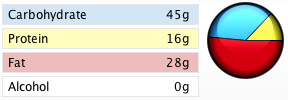
From a nutritional profile, the calories are fine for an ordinary, healthy 2,000 calorie per day diet. The overall fat from the butter is still well within the guidelines for the average adult, you just have to be aware you can’t also have large amounts of butter or fat the rest of the day as you aren’t supposed to have more than 65 grams of fat in any given day, of which 20 can be saturated. That means you have 37 grams of fat remaining for the day, of which no more than 4 grams can be saturated fat (of the recipe’s 28 grams of fat, roughly 16 are saturated).
The Cost Information for the Butter and Sage Sauce
Using a combination of the national average food prices, and where information isn’t available, my local grocery store, we can make some calculations. (If you are a smart shopper, you can often get things for much less, so the results could be even more favorable.)
Per Serving Cost Information (1 Serving)
3 sage leaves (sauce) = 31.3¢
1 egg (pasta) = 15.3¢
2 tablespoons of butter (sauce) = 25¢
0.5 cups of flour (pasta) = 6.6¢
1 tablespoon parmigiano-reggiano (topping) = 10¢
Total = $0.88 per serving
The sage would be free if you grew it yourself in a tiny window herb garden. Meaning, it would be entirely possible for a typical family to get the per person cost down to $0.57. Were you to buy boxed pasta, instead, on sale, you could drop the actual per person serving cost even further. (Boxed pasta is great for a lot of things, such as baked ziti, but for a sauce like this, I highly encourage you to go the homemade route. It’s so basic, there are only two ingredients, and the fresh noodles soak up the sauce much better. Still, the sauce itself is so good, and takes so little time, you could make dinner in practically no time as it takes less than 2-3 minutes to complete from the moment you throw the butter into the pan.)
Even if you wanted to go a bit more upscale, it’s still be insanely cheap. We bought butter that was 3x the ordinary cost of butter, following Hazan’s recommendation to use the “choicest” butter you can find as it is the entire body of the sauce. It only added an extra 50¢ per serving for us. We also paid an extra 15¢ per egg to get them from a free range farm where the chickens can roam in the open. No, it doesn’t make a bit of difference to the quality of the egg, but I feel better about it. Also, the salt in the boiling water for cooking the pasta was so insignificant it doesn’t add anything to the nutrition information or the cost in any measurable way.
What impresses me is that this is something I would pay good money for at a nice restaurant. Yet, it reigns supreme in terms of raw costs above the other “peasant dishes” we discussed back when I was first studying the history of cooking – those classic, inexpensive recipes such as the delicious French Soubise, the fresh leek soup, the bow-tie basil pasta, and Saag Paneer with homemade Indian cheese, not to mention the tomato, butter, and onion sauce for pasta we already discussed. The coupon clippers out there could probably get this meal down to the point where it became practically free.
Without a doubt, I will definitely be making this again. This is a keeper in the family’s permanent recipe collection.
Reader Comments (13)
Comments are presented chronologically, with replies indented beneath the comments to which they respond.
Frederick
October 1, 2013
So... you just have the sage leaves in the better for a few seconds? And it had that much impact?
Joshua Kennon
October 1, 2013
Replying to Frederick
Yep, sage is powerful and complex. You put it in at that stage of the butter's color and you get all of the scents and oils released at once. We put the six in there, then waited maybe 5-6 seconds, then turned them over individually with tongs. From the time the sage hit the butter and began to release itself to the time we poured the mixture over the cooked and drained pasta, which was waiting, was probably 15 seconds. Any time you see someone write about it, it's normally accompanied by a warning, "This can overpower your entire dish! Proceed with caution!" It's great stuff.
Andrew
October 1, 2013
That's incredible! I suppose the assumption is cost runs parallel to enjoyment, but it isn't always the case. Where do you buy real silverware? Also, I'd like to own real silverware someday.
Phyllis
October 1, 2013
Thanks for turning me on to the Hazan cookbook! So amazing (and so sad to hear of her passing).
Joshua Kennon
October 5, 2013
Replying to Phyllis
I'm glad you are enjoying it. If you come across anything you love in there, let me know so I can give it a go! I was reading through the pages again today when I made the smothered onions sauce over fresh pasta and realized that it will take a significant amount of time to get through all 700 pages, haha! There are so many recipes and variations ... I'm hoping to try one of the pre-set holiday menus she has in the very back of the book sometime this winter.
Phyllis
October 6, 2013
Replying to Joshua Kennon
The milk-braised pork loin is outstanding--such an interesting transformation of simple ingredients. It's perfect for cold winter days, too. Other recipes have been good, but that is a real stand out if you haven't tried it yet.
Caleb Kennon
October 1, 2013
Where are my dinner invites? I'm mean seriously - I feel like bad luck Brian when I see these posts!
Joshua Kennon
October 4, 2013
Replying to Caleb Kennon
I'll make another batch later today so you can try it for dinner. Call either Aaron's cell or the office line (I don't have my phone on me) and give him a time you'll be at the house. That way, I can adjust my schedule and wrap up as much as possible before I have to go start on the pasta itself.
Caleb Kennon
October 4, 2013
Replying to Joshua Kennon
^ Good guy Greg response.
Well played.
Matt
October 1, 2013
This looks pretty amazing yet simple. I'll have to try it sometime this week. Though I'm surprised the recipe doesn't call for salt or pepper. Did you use salted or unsalted butter? (I may just have the bad habit of overusing salt)
Joshua Kennon
October 5, 2013
Replying to Matt
You are virtually always going to use unsalted butter in recipes because different brands use different amounts of salt per tablespoon so you can't reproduce exactly what you want, otherwise. It's much better to manually add the salt yourself and measure it. The noodles themselves are cooked in 4 quarts of water with 2 tablespoons of salt, which are then drained. Though it's hard to tell how much is absorbed, some of that flavor makes its way into the pasta since homemade noodles suck up far more liquid and flavor than store bought noodles. But otherwise, there was no salt involved. If you wanted to add it, or pepper, you could certainly season to taste, you'd just have to try it without it first because the sage is quite powerful if you used fresh leaves. Sage itself is described in the other link I used in this comments thread as having a flavor, "redolent of eucalyptus, cedar, lemon, and mint".
Richard Garand
October 2, 2013
Looks amazing - and a perfect use for the bag of sage I picked up from my CSA yesterday! I also have some rosemary-garlic bread I made a couple of days ago which is great but I think it would overwhelm something like this if I had them together.
Karina Suarez
October 3, 2013
A typically French recipe. Simple but comforting and with unique flavour.