[vc_row][vc_column][vc_column_text css_animation=”none”] [/vc_column_text]
I was reading an argument earlier about how Europe needs a “Lehman Brothers moment” to scare the member nations into swift action. It reminded me of one of my favorite passages from Barbarians at the Gate that discussed the merger of Lehman Brothers and Shearson.
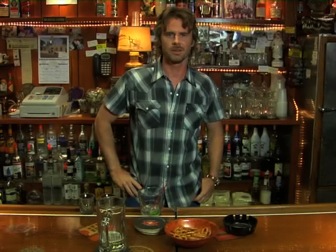
With the season premier of True Blood upon us, I began thinking about how lessons on life, money, and success are all around us if you just pay close enough attention. If you understand how compounding works, it is so easy to get rich if you have enough time. Consider Sam Merlotte, the Bon Temps bartender and resident landlord. His character is around 30 years old, give or take several years, when the show began.
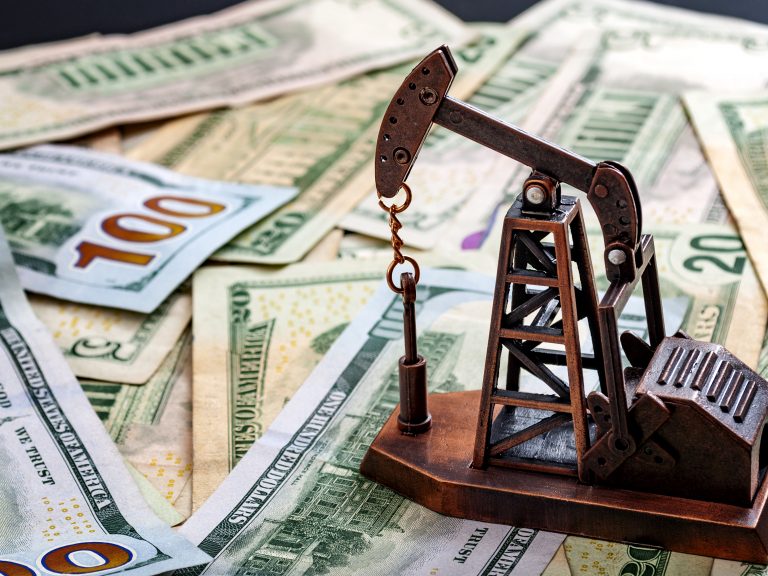
Shortly after World War I, Raymond Poincaré, the Prime Minister of France, decided against partnering with Royal Dutch Shell to fund the energy needs of the French people. One of his military commanders, Colonel Ernest Mercier, worked with 90 banks and businesses to establish a new oil company called French Petroleum Company (er, technically, Française des Pétroles Compagnie since they weren’t speaking English). The name might sound prosaic but keep in mind this was the era of “General Electric” and “Standard Oil”. The new undertaking began operations on March 28th, 1924. Today, that business is known as Total, S.A. and it is one of the six supermajor oil powers on the planet.
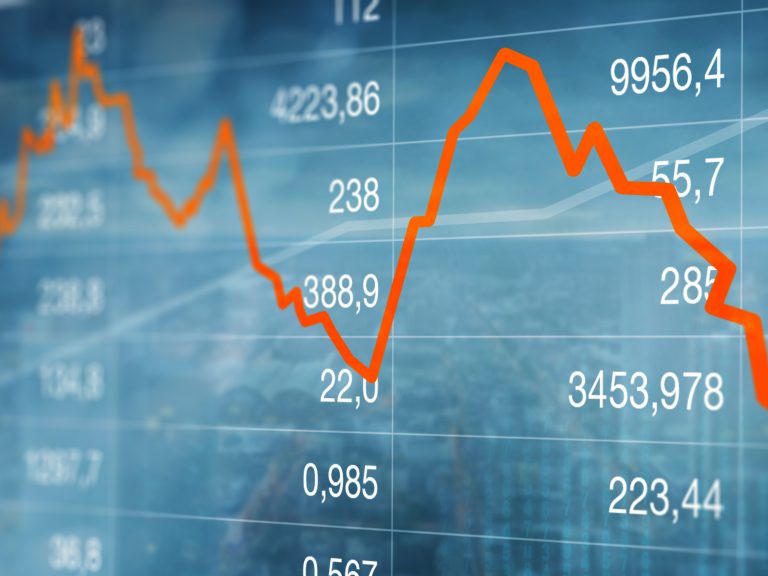
Towards the back of the most recent General Electric annual report is an interesting graph. It shows what an investor would have experienced by putting $100 into three different investments: GE shares, the S&P 500, and the Dow Jones Industrial Average. It assumes that dividends were reinvested in each respective investment when they were distributed. How were you rewarded for six years of patient investing, assuming you added no fresh cash outside of the dividend reinvestment? Take a look.
There is a painting from 1750 by artist Thomas Gainsborough called Mr. and Mrs. Andrews. The original hangs in the National Gallery in London, England, where it has been held in collection for more than 50 years. The painting depicts a man, Mr. Robert Andrews, and his wife, Frances Mary Carter. The two were promised…
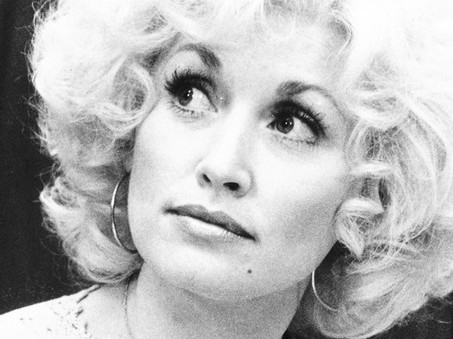
With the death of Whitney Houston a few days ago, I was doing a case study of her life and the lessons that can be learned from her successes and failures (update: I have written a case study on Dolly Parton’s business success, which you can read here). One of the big ones has little…
I’ve told you in the past that Berkshire Hathaway appears to be trading at the lowest valuation in nearly a decade. Recently, Morningstar revised its intrinsic value estimate for the Berkshire Hathaway Class B shares, stating they believe the stock has an intrinsic value of $89 per share (equal to $133,500 per Class A share since it takes 1,500 Class B shares to equal a single Class A share). I find this interesting for several reasons. First, Morningstar’s intrinsic value calculations are often reasonable, in my opinion. On more than one occasion, we’ve been within a single percentage point after I had valued a firm and then cross checked third-party estimates as part of the process to see if there were major disagreements. But in this case, I just think they’re wrong.
Wendy’s recent commercial introducing the remade cheeseburger named after founder Dave Thomas is one of the best examples of marketing and psychology I’ve ever seen. It’s brilliant; mental models applied in a constructive way. I’m not going to take the fun out of it, but be on the lookout for some of the clues…
The Internet is buzzing with a clip from Terrell Owens’ reality show on VH1. In a recent installment of the program, T.O. begins to cry about the money troubles he faces after discovering that his finances aren’t adding up, his credit score is in the 500’s, he has mortgages due on real estate and he…
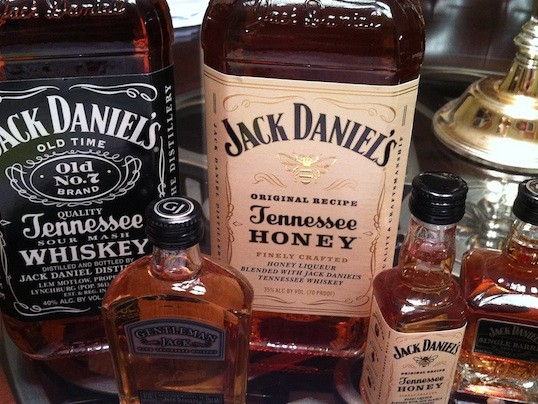
In recent days, I have been immersing myself in the annual reports and other filings of a company called Brown-Forman. The company, which manufactures Jack Daniel’s whiskey, Chambord vodka, Korbel Champagnes, and other brands of spirits, is still controlled by the family that has owned it for more than a century, with two classes of stock trading on the New York Stock Exchange.
[vc_empty_space][vc_column_text css_animation=”none”]
[/vc_column_text][/vc_column][/vc_row]